
AI is everywhere in 2026 – in phones, mobile apps and even the tools people use to build software (like Android Studio). But not all AI features are equally useful. Some genuinely help, some still struggle, and others sound impressive without delivering much value.
Here’s a clear breakdown.
What AI can actually do well
Write and rewrite text
AI is excellent at drafts, summaries, follow-ups, and rewriting messages. It’s faster than starting from scratch and works best as a first pass.
Edit photos and videos
Removing objects, fixing lighting, and generating short clips are now fast and reliable for everyday use.
Help developers move faster
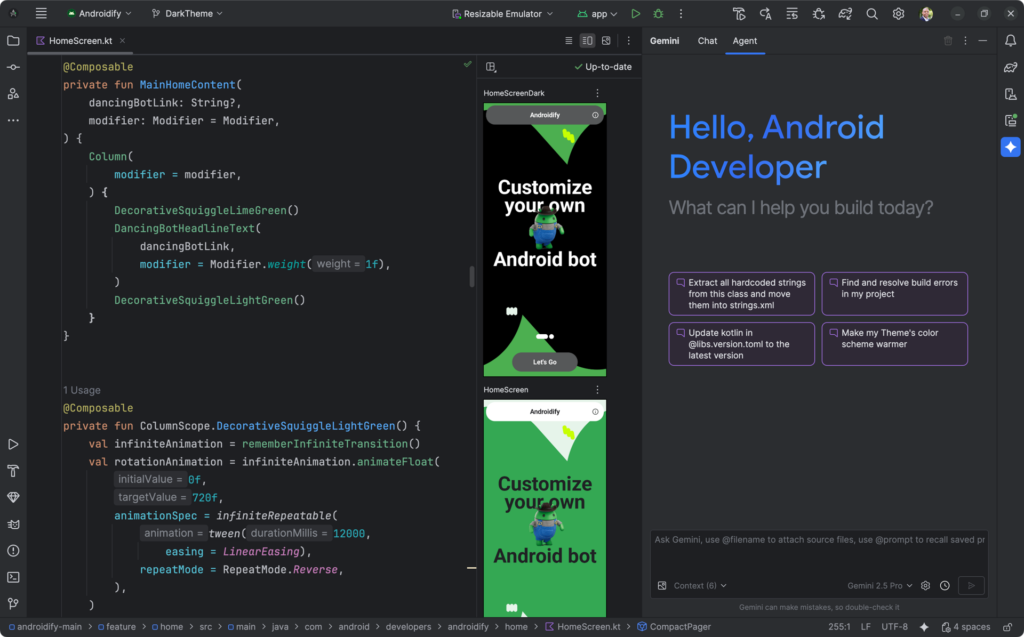
Tools like Android Studio Gemini assist with code suggestions, explanations, and debugging directly inside the development environment. It doesn’t replace developers, but it speeds up routine work and reduces friction.
Filter and organize information
From email sorting to notification prioritization, AI helps reduce noise and surface what matters.
Work offline (sometimes)
With more on-device AI, features like transcription and image processing can run without an internet connection.
What AI still struggles with
True understanding and judgment
AI can sound confident while being subtly wrong, especially in complex or unfamiliar situations.
Emotional nuance
Humor, sarcasm, conflict, and sensitive conversations still require human judgment.
Complex decision-making
AI can assist, but it shouldn’t be trusted to make important decisions on its own.
What’s overhyped
“Fully autonomous” assistants
AI still needs guidance. It doesn’t manage your life without supervision.
AI replacing creative or technical roles
AI tools help writers and developers, but they don’t replace original thinking, taste, or experience.
One app that does everything
Most all-in-one AI tools are average at many things rather than great at one.
What this means for everyday users
The most useful AI features in 2026 aren’t flashy. They’re quiet, integrated, and practical — saving time, reducing friction, and working in the background.
If an AI feature needs constant correction, it’s probably not ready.
Bottom line
AI in 2026 is genuinely useful, but it’s not magic. Used as an assistant — whether for writing, editing or coding – it improves everyday tasks. The key is knowing where it helps and where the hype still outweighs reality.