News

Breaking the “Fixed Screen” Assumption

Android 17 Is Removing Your Orientation Escape Hatch — Here’s What That Means

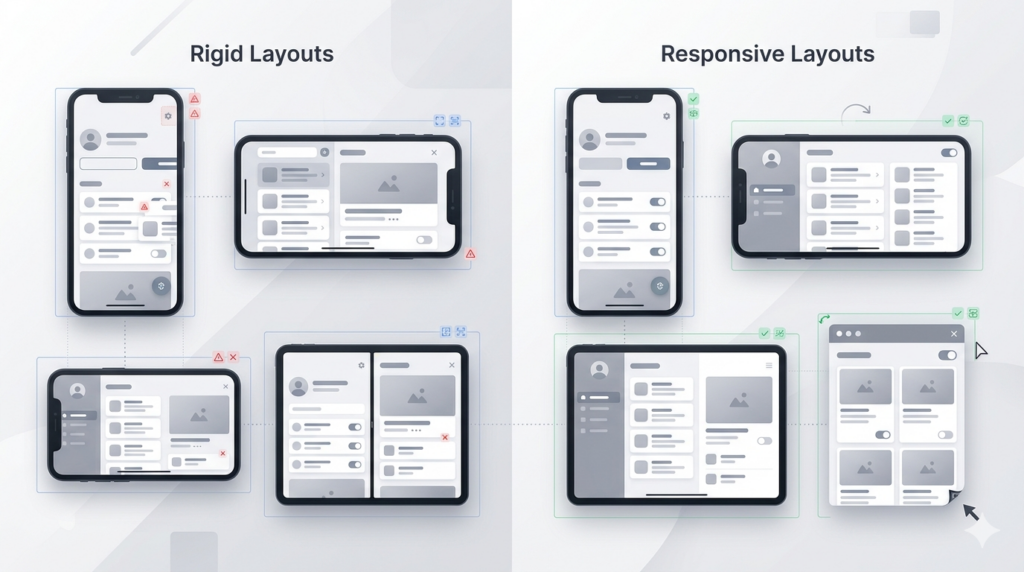
Google isn’t just encouraging adaptive apps anymore. With Android 17, the opt-outs are going away. If your app assumes a fixed screen shape, the clock is running. For a long time, Android gave developers a quiet way out. If your app wasn’t ready for resizable windows or unexpected orientations, you could declare it in the […]

Android 17 Is Removing Your Orientation Escape Hatch — Here’s What That Means Read More »
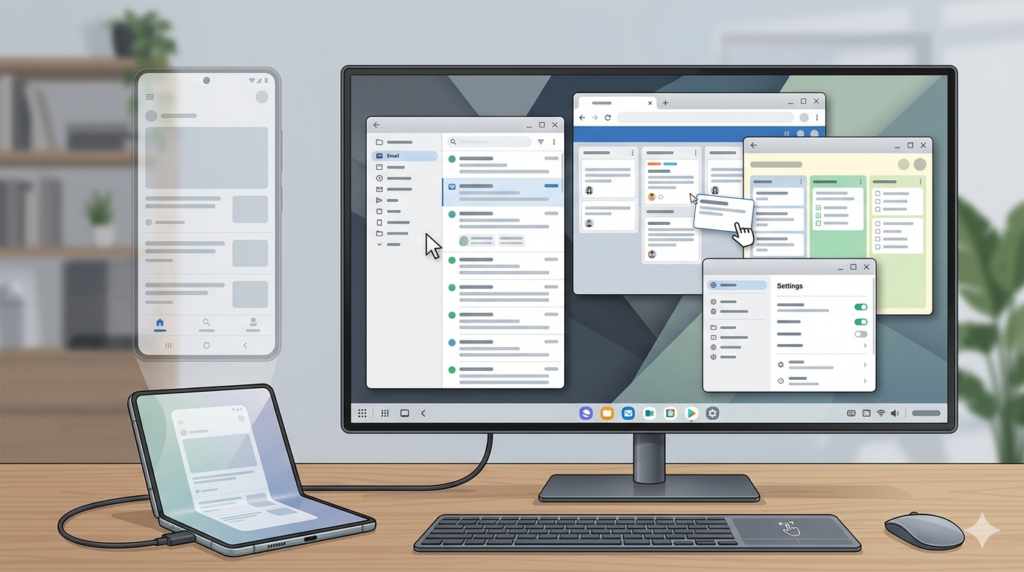
Android Desktop Mode Evolution

Android Is Coming for the Desktop — And It Means More Work for You

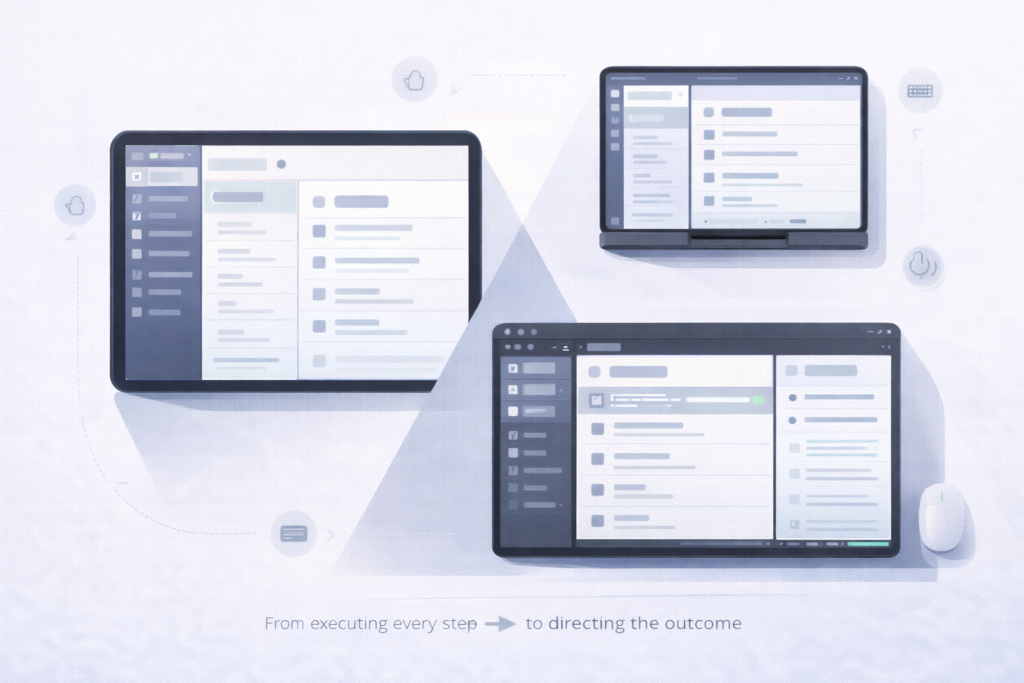
Google’s connected display support just hit general availability. Here’s what that actually changes for the teams building apps. For years, “desktop mode” on Android felt like a curiosity — a feature you could technically trigger by plugging a phone into a monitor, but one that nobody built for and few users relied on. That era

Android Is Coming for the Desktop — And It Means More Work for You Read More »

google gemini

Google’s Experimental Gems might be the most underrated developer tool of the year

They look like a chatbot feature. They’re actually something closer to a no-code app builder — and if you’re a developer drowning in repetitive AI interactions, they’re worth a serious look. I’ll be honest: when I first saw Google announce Experimental Gems inside Gemini, I assumed it was just a rebrand of their existing Gems

Google’s Experimental Gems might be the most underrated developer tool of the year Read More »

Lyria 3

Google’s Lyria 3: Why Some Musicians Embrace It While Others Fight It

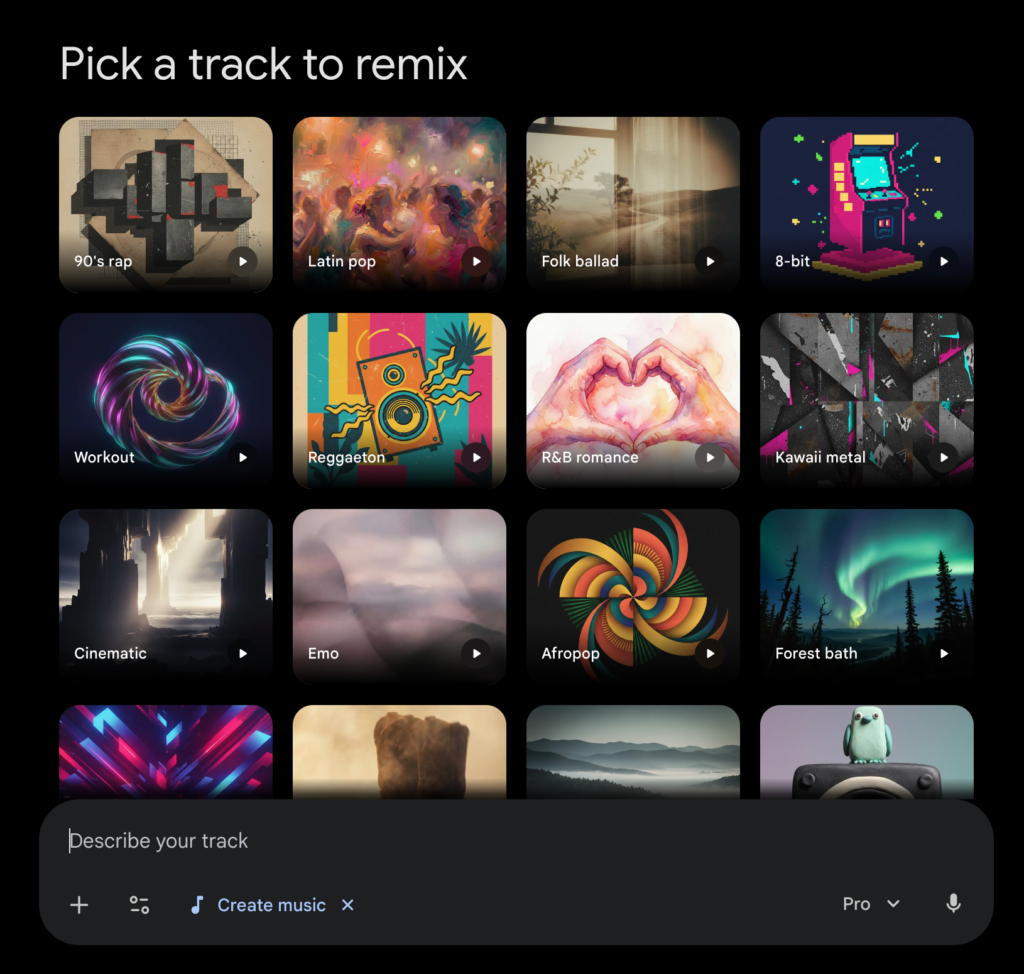
Google just made its AI music generator, Lyria 3, available to everyone through the Gemini app last week. Within days, the music world split into two camps: artists experimenting with it as a creative tool, and artists warning it threatens human creativity itself. The divide isn’t theoretical. Real musicians are using Lyria 3 in production,

Google’s Lyria 3: Why Some Musicians Embrace It While Others Fight It Read More »

Apple, Google, and Microsoft are converging on the same app design problems

For a long time, “cross-platform UI” debates focused on aesthetics: Cupertino restraint versus Material boldness versus Fluent depth. But if you zoom out from visual style, Apple, Google, and Microsoft now spend an increasing amount of their design guidance on the same three practical problems: The convergence isn’t accidental. It’s a response to the same

Apple, Google, and Microsoft are converging on the same app design problems Read More »

agent-mode Android

Agent mode in Android Studio is the biggest shift in Android development in years

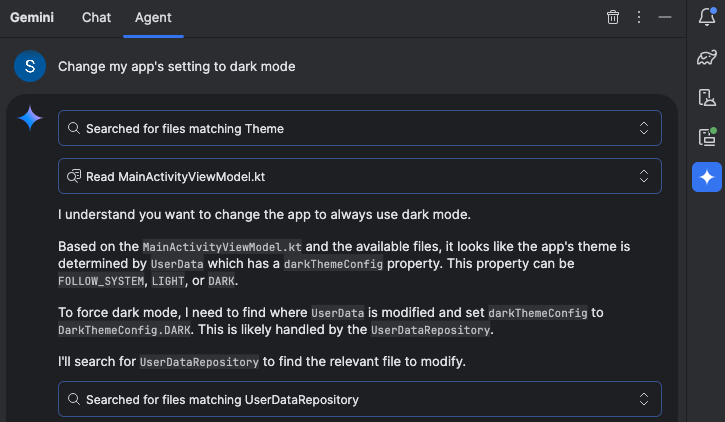
For the past decade, AI in code editors meant one thing: smarter autocomplete. Better suggestions, context-aware completions, maybe a chat window to ask questions. Useful, but incremental. AI was a passenger in your IDE – you drove, it occasionally pointed out shortcuts. Agent Mode in Android Studio changes that relationship entirely. And if you haven’t

Agent mode in Android Studio is the biggest shift in Android development in years Read More »

Google is quietly redefining what ‘tablet support’ means for Android apps

For years, “tablet support” in Android circles had a narrow, almost forgiving definition: the app doesn’t look too blown up on a bigger screen. Maybe it runs in landscape. Maybe there’s a two-pane layout if a product team was feeling ambitious. If it didn’t crash, it counted. Google’s latest large-screen messaging shifts that definition in

Google is quietly redefining what ‘tablet support’ means for Android apps Read More »

AI in IDEs is shifting from autocomplete to understanding codebases

For the last couple of years, “AI in the IDE” mostly meant one thing: faster typing. Autocomplete models became better at predicting the next line, the next block, the next function. Useful—especially for boilerplate—but still fundamentally local: the model reacts to what’s on screen. What’s changing now is scope. The major IDE assistants are steadily

AI in IDEs is shifting from autocomplete to understanding codebases Read More »

Multi-window usage is growing, and many apps still aren’t ready

Multi-window used to be a “tablet nice-to-have.” In 2026, it’s closer to a default expectation—driven by larger phones, foldables, desktop-style modes on Android, and iPad workflows that increasingly look like light desktop computing. On the Android side, Google frames large screens as a fast-growing segment and urges developers to “build for every device” by progressively

Multi-window usage is growing, and many apps still aren’t ready Read More »

Scroll to Top