
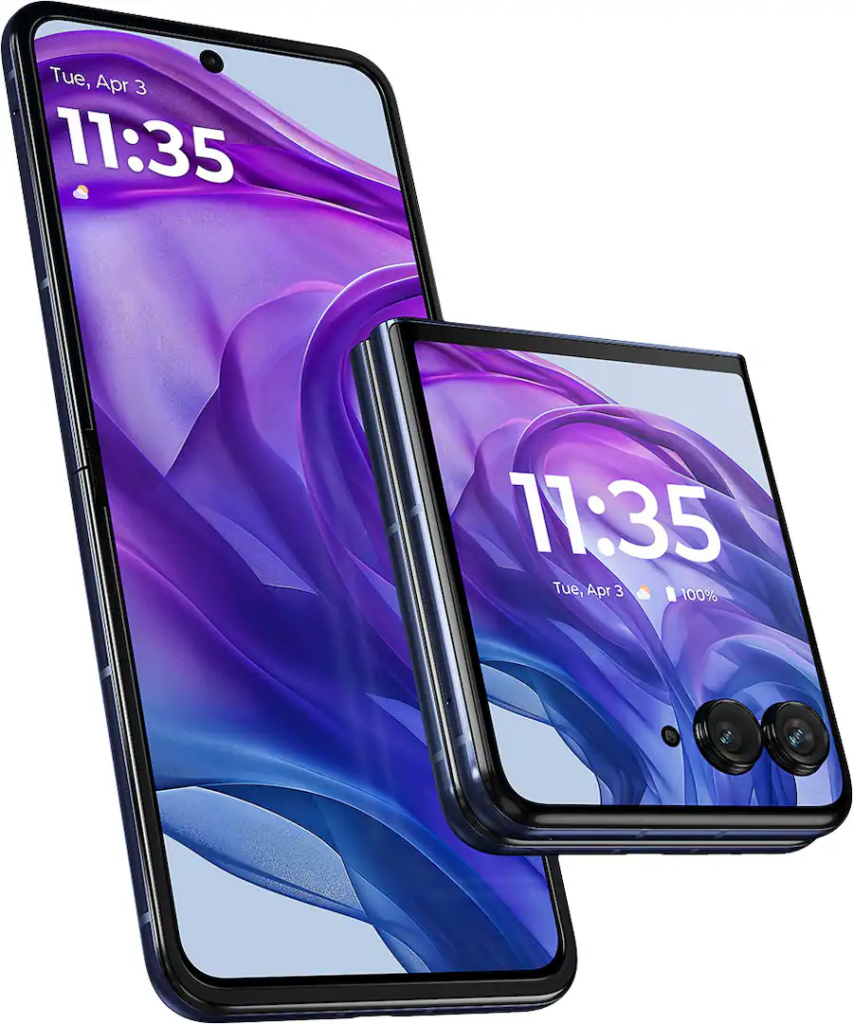
Foldable phones were pitched as the future of mobile — bigger screens without bigger pockets. A few years in, they’re better, more polished, and still impressive. But the real question is simple: do most people actually need one?
What foldables do well
They offer large screens for reading, multitasking, and travel, while still folding down to phone size. For power users, that extra space can be genuinely useful.
Where they still struggle
Foldables remain expensive, thicker than regular phones, and less durable over time. The crease is smaller than before, but it’s still there — and you notice it.
Foldable vs regular phone (quick comparison)
| Feature | Foldable phone | Regular phone |
|---|---|---|
| Screen size | Tablet-like when open | Large, but fixed |
| Multitasking | Excellent | Limited but improving |
| Portability | Compact when folded, bulky overall | Slim and pocket-friendly |
| Durability | More fragile | More reliable |
| Price | Very expensive | Wide price range |
Final verdict
Do we really need foldable phones anymore? For most people, no.
Regular phones have quietly gotten big and powerful enough that foldables now feel like a luxury, not a necessity. Until prices drop and durability fully catches up, foldables will stay niche — impressive, but optional.