
For years, “build once, run everywhere” sounded like a promise that never fully delivered. Apps behaved differently across phones, tablets, desktops, and TVs. Layouts broke, features felt awkward, and performance varied wildly.
In 2026, that promise hasn’t magically come true — but it has become far more realistic.
Multi-device development today isn’t about writing one app and forgetting about it. It’s about building a single product foundation that adapts intelligently across screens, inputs, and contexts.
Here’s what multi-device really means now – and what developers should focus on.
Multi-device no longer means multi-codebase
The biggest shift isn’t new form factors — it’s mindset.
In 2026, most teams aim for:
- One core codebase
- Shared business logic
- Adaptive UI layers
- Platform-specific polish where it matters
Instead of building separate “phone apps,” “tablet apps,” and “desktop apps,” developers design one system that responds to different environments.
This same mindset shows up in tooling as well, especially with AI-powered development environments (AI in 2026: What It Can Do, What It Can’t, and What’s Overhyped]).
That doesn’t eliminate complexity — it relocates it.
The future of computing is not about a single device, but about experiences that follow you across devices and adapt to context.
Satya Nadella (Microsoft CEO)
Screens are bigger, smaller and more flexible than ever
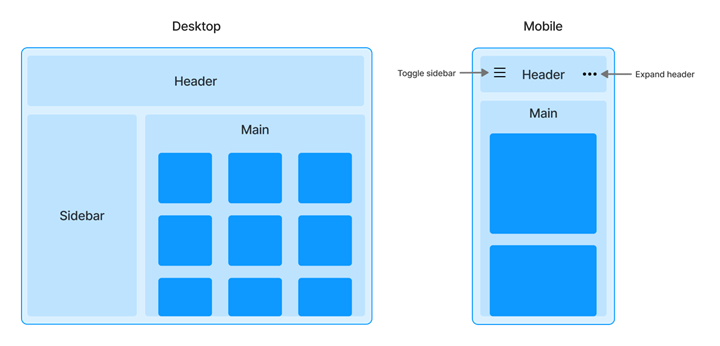
Phones didn’t just get bigger. They became:
- Foldable
- Resizable
- Multi-window capable
At the same time, tablets and desktops gained better app ecosystems, and users now expect apps to scale smoothly across all of them.
This is also why the question of whether foldables truly matter is no longer theoretical for developers (Do we really need foldable phones anymore?). Fixed layouts are effectively dead.
Modern multi-device apps rely on:
- Constraint-based layouts
- Breakpoints and size classes
- Flexible typography and spacing
You’re no longer designing for a device — you’re designing for ranges.
Input methods matter more than screen size
One of the most overlooked aspects of multi-device development is input.
In 2026, users interact with apps via:
- Touch
- Keyboard and mouse
- Stylus
- Voice
- Game controllers
This same “context matters” principle is already visible in everyday consumer tech (10 Cool Tech Trends You’ll Actually Use in 2026)
An app that works beautifully on touch may feel clumsy with a keyboard. Hover states, focus handling, shortcuts, and navigation patterns suddenly matter again.
True multi-device apps don’t just resize — they rethink interaction.
Multi-window & multi-tasking are the new baseline
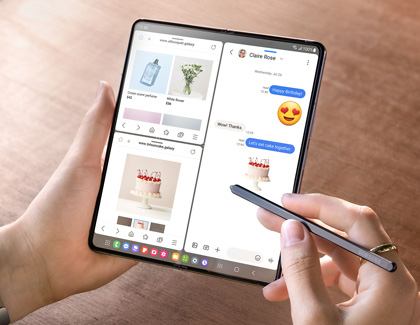
On tablets, foldables, and desktops, apps rarely live alone anymore. They’re resized, split, minimized, and restored constantly.
That introduces challenges:
- Preserving state during resizing
- Smooth layout transitions
- Avoiding expensive re-renders
Apps that assume full-screen control feel fragile. The best ones treat window changes as a normal part of the experience.
This expectation mirrors how users already think about productivity tools and smart environments
Performance consistency beats feature parity
A hard-earned lesson in 2026: not every device needs every feature.
Trying to ship identical functionality everywhere often leads to bloated apps and poor UX. Instead, teams focus on:
- Stable performance
- Predictable behavior
- Context-aware feature sets
For example:
- Advanced editing tools appear only on large screens
- Input-heavy workflows simplify on phones
Design systems are the real enabler
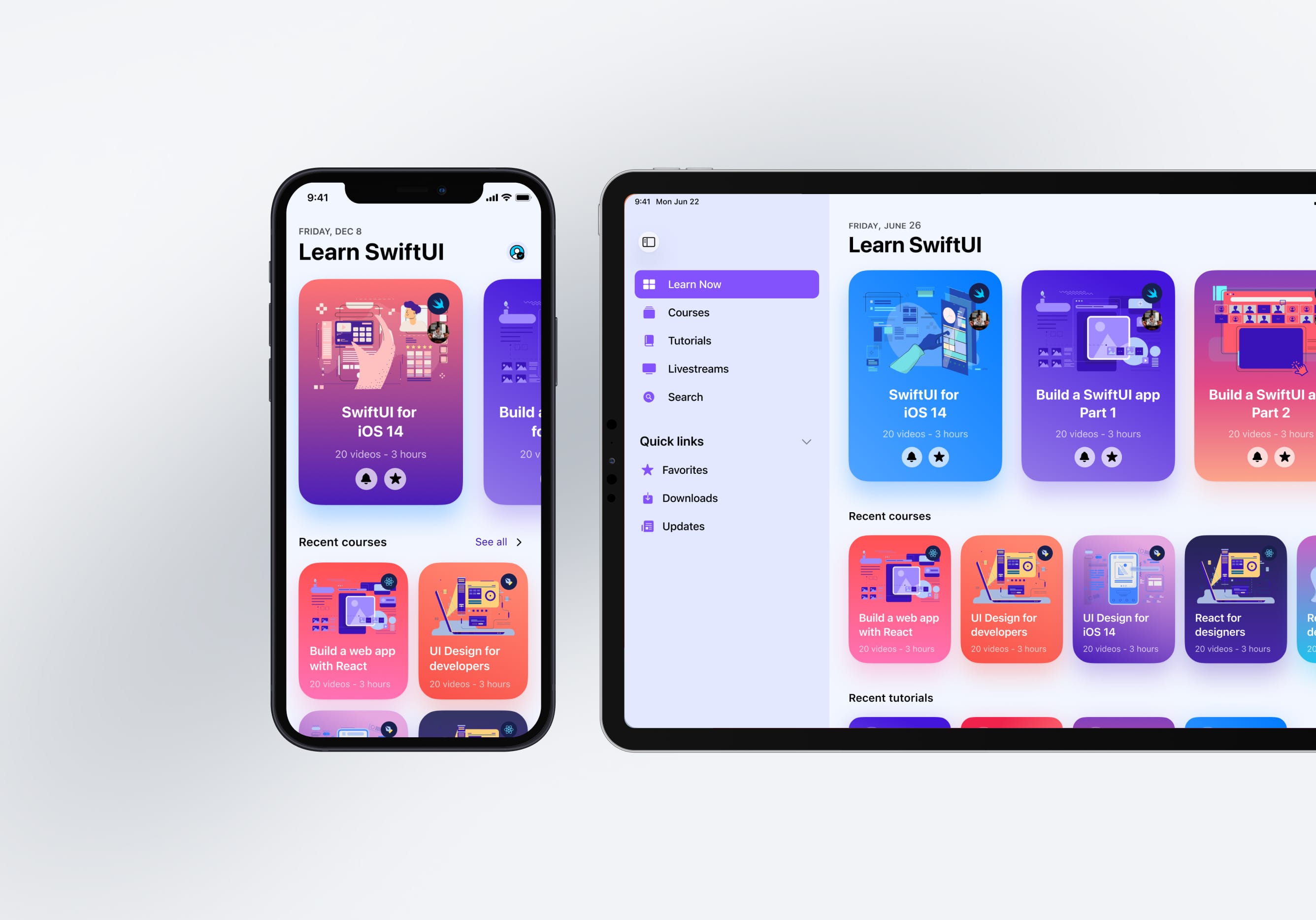
Behind nearly every successful multi-device app in 2026 is a strong design system.
Reusable components make it possible to:
- Adapt layouts without rewriting UI
- Maintain consistency across form factors
- Move faster without breaking things
Without this foundation, “build once” quickly turns into “fix everywhere.”
Where AI fits into multi-device development
AI doesn’t magically solve multi-device complexity, but it does reduce friction.
In practice, AI helps with:
- Generating adaptive layouts
- Explaining platform-specific APIs
- Refactoring UI logic
- Catching inconsistencies
This is especially visible inside modern IDEs, where AI acts more like an assistant than an author. AI accelerates iteration — it doesn’t replace architectural thinking.
The real challenge: product thinking, not tooling
The hardest part of multi-device development isn’t technical — it’s strategic.
Teams must decide:
- Which devices truly matter
- Where to invest polish
- Where to simplify
Trying to support everything equally usually leads to mediocre experiences everywhere.
This same tradeoff shows up in consumer-facing AI and productivity tools.
Final thoughts
“Building once, running everywhere” no longer means sacrificing quality for convenience. It means creating adaptable foundations that respect user context.
In 2026, multi-device success isn’t about chasing every form factor — it’s about making thoughtful decisions and letting your product scale naturally.This mirrors how AI features are rolling out across platforms — selectively, not universally (read “Apple, Google, and Samsung Are All Betting on On-Device AI“)